 Completing an inpatient rehabilitation or outpatient treatment program is a powerful milestone, but the transition back into daily life is where true recovery takes root. For many men in the Twin Cities area, stepping directly from a treatment facility back into an unstructured environment can feel overwhelming.
This critical gap is where structured residential recovery becomes invaluable. Establishing healthy habits in sober living homes provides the daily framework, peer support, and stability needed to transform temporary sobriety into a lifelong lifestyle. At The Anthony House, serving the St. Paul and broader Ramsey County community, residents build sustainable routines that protect their recovery and foster personal growth.
Here are the essential daily habits developed in sober living environments and how they lay the groundwork for long-term success.
- Establishing a Structured Daily Routine
Unstructured free time is often one of the biggest relapse triggers in early recovery. In active addiction, days are often chaotic and unpredictable; establishing consistent daily rituals helps reset the brain’s internal rhythm and lowers stress levels.
In a quality sober living home, healthy habits start the moment you wake up:
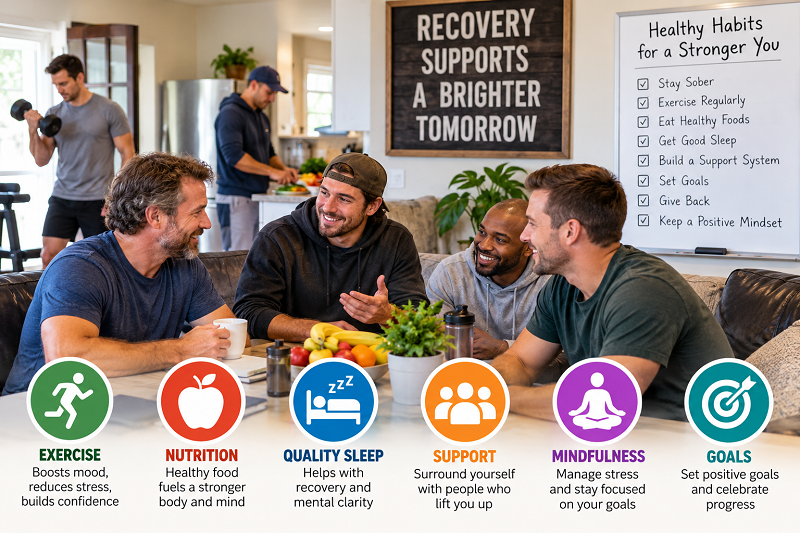
- Consistent Sleep Schedules: Going to bed and waking up at regular times restores healthy brain function and improves emotional regulation.
- Morning Intentions: Dedicating 10–15 minutes each morning to meditation, prayer, or journaling sets a calm, purposeful tone for the day.
- Daily House Chores: Simple, shared responsibilities—such as making your bed, keeping communal kitchen areas clean, and doing laundry—rebuild self-discipline and pride in your living environment.
- Prioritizing Physical Wellness and Nutrition
Physical health and mental well-being are deeply interconnected. Years of substance use often leave the body nutrient-depleted and fatigued. Rebuilding physical health is a core element of effective recovery.
- Nutritious Meals: Planning and preparing balanced, whole-food meals with housemates encourages proper nutrition while building real-world life skills.
- Regular Exercise: Physical activity naturally boosts endorphins, reduces anxiety, and improves sleep quality. Whether taking advantage of local parks in St. Paul, joining a nearby gym, or taking daily walks around Ramsey County, movement is vital.
- Hydration & Sleep Hygiene: Replacing sugar and caffeine overconsumption with proper hydration and restful sleep helps stabilize mood swings during early recovery.
- Active Engagement in Recovery Communities
Sobriety is rarely sustained in isolation. One of the greatest benefits of a Twin Cities sober housing community is the immediate access to peer support and local recovery networks.
Healthy community habits include:
- Attending Local Support Meetings: Attending regular 12-Step (AA/NA) or SMART Recovery meetings throughout St. Paul helps maintain strong accountability.
- Connecting with a Sponsor: Working through recovery steps with a sponsor or mentor provides personalized guidance through life’s challenges.
- Peer Accountability: Sharing meal preparation, house meetings, and honest conversations with housemates fosters deep bonds grounded in mutual respect and shared goals.
- Practicing Stress Management and Relapse Prevention
Triggers and stressors are an unavoidable part of life. The key to lasting recovery is replacing negative coping mechanisms with healthy stress-management techniques before high-risk situations arise.
Key stress-reduction techniques include:
- Mindfulness and Breathwork: Utilizing deep-breathing exercises during moments of frustration or anxiety helps regulate the nervous system.
- Expressive Outlets: Engaging in creative hobbies, reading, outdoor activities, or sports provides a positive outlet for intense emotions.
- Recognizing HALT Triggers: Learning to identify when you are Hungry, Angry, Lonely, or Tired allows you to address underlying needs before they escalate into cravings.
- Balancing Personal Responsibility and Growth
Sober living is designed to be a bridge to full independence. Healthy habits extend beyond the walls of the house into employment, education, and personal relationships.
- Work & Education: Maintaining employment or pursuing vocational training instills purpose and financial independence.
- Budgeting & Life Skills: Managing personal finances and rent payments prepares men for independent living after sober housing.
- Setting Healthy Boundaries: Learning how to say “no” to toxic social environments or past acquaintances protects your progress and peace of mind.
Build Your Foundation at The Anthony House in St Paul, MN
Building healthy habits takes time, practice, and the right supportive environment. At The Anthony House, our MASH-certified men’s sober living homes in St. Paul provide structured, drug- and alcohol-free housing where men can focus on rebuilding their lives alongside supportive peers.
If you or a loved one are preparing to transition from rehab or seeking structured sober housing in Ramsey County, Minnesota, reach out to us today to learn more about our openings and community.



0 Comments