 To illustrate how structured environments make a measurable difference, these case studies demonstrate the real impact of men’s sober living homes in St. Paul, Minnesota.
Transitioning from primary addiction treatment into everyday life requires structure, peer support, and personal accountability. For many men in Ramsey County and the surrounding Twin Cities East Metro, structured recovery housing provides the essential bridge between residential rehabilitation and complete independence.
Case Study 1: Re-establishing Accountability After Residential Rehab
- Resident Background: Marcus, a 34-year-old professional, completed a 30-day inpatient program in the Twin Cities. While motivated, returning directly to his prior living situation posed immediate triggers and a high risk of relapse.
- The Transition: Marcus moved into a MASH-certified men’s sober living house in St. Paul. Seeking strong personal commitment from housemates, he chose a private self-pay living model.
- Key Interventions:
- Daily Structure: Regular curfews, mandatory house meeting attendance, and daily random drug/alcohol screenings.
- Peer Integration: Living alongside housemates actively working 12-step programs and holding each other accountable.
- Employment Support: Access to transit lines near Downtown St. Paul allowed Marcus to commute to work while maintaining his recovery routine.
- Outcome: At the 9-month mark, Marcus transitioned into independent housing with continuous sobriety, a active sponsor, and established financial stability.
Case Study 2: Long-Term Stability & Brotherhood
- Resident Background: David, 26, struggled with multiple short-term relapses after previous rehab stays due to a lack of unstructured post-treatment living arrangements.
- The Transition: David entered a structured men’s recovery residence in St. Paul with no strict limit on duration, allowing him to progress at a healthy pace.
- Key Interventions:
- Shared Responsibility: Daily household chores, self-prepared group meals, and shared maintenance responsibilities.
- Active Recovery Community: Participation in local St. Paul recovery groups, weekend sober outdoor activities, and ongoing mentorship.
- Peer Support: Daily interaction with senior residents who modeled recovery habits.
- Outcome: David stayed for 12 months, serving as a house mentor during his final four months before successfully purchasing his first home in Ramsey County.
Core Elements Driving Success in St. Paul Men’s Sober Living
Across all case studies, long-term success stems from a consistent framework:
- Self-Motivated Peer Group: Surrounding oneself with men who actively choose and pay for their recovery fosters higher group commitment.
- Clear Boundaries: Enforced house rules create a safe environment free from drugs and alcohol.
- Local Access: Close proximity to 12-step groups, employment hubs, and outpatient services across St. Paul and Maplewood
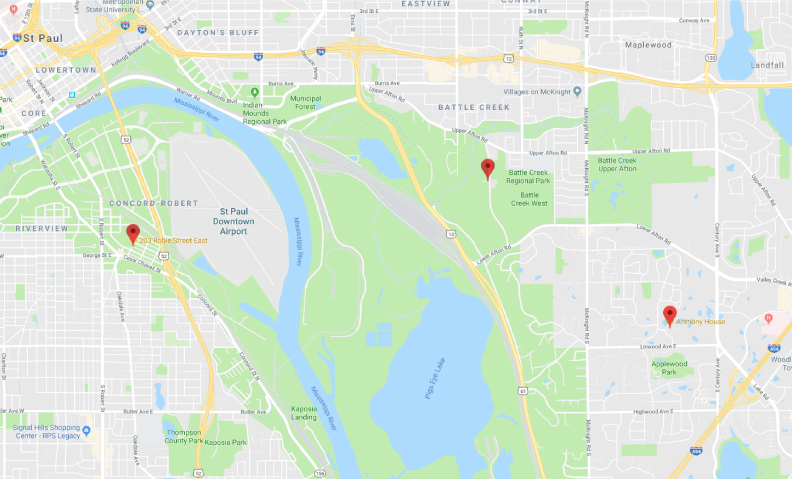
If you or someone close to you is in need of a male drug and alcohol free place to live and flourish so they can transition into becoming a productive member of society, The Anthony House has multiple locations to choose from in the St Paul Area.




0 Comments